Whether you call them Math Centers or Math Stations, you’ll find loads of resources on this page for implementing them. I use the terms interchangeably, and they are more of a concept than an actual location in the classroom. In fact, math stations are often nothing more than a packet of hands-on materials with a set of directions. If you think math stations have to include elaborate and cute display boards, stop right there! Sure, you can make them elaborate and cute if you enjoy doing so and have the time, but math stations can be simple and easy-to-implement, too. The methods described on this page work well with the “middle grades” of 2 through 6.
Enjoy the featured math station resources on this page, including a free webinar recording that provides an overview of how to use math stations in the upper elementary classroom. You can also find more math center activities in my TpT store.
Math Stations for Middle Grades (Grades 3 – 8) makes it easy to set up and implement math centers. Preview the options below to decide which one is right for you. The non-editable PDF ebook version on the left comes with loads of low-prep, printable math games and activities.  If you purchase the version with editable templates, you can customize the games to add your own math content. The Math Stations and Games Bundle on the left gives you additional games that you can customize by adding your own task cards. Click the product covers or links below to find them on TpT where you can preview them before purchasing.
Three Options Available (Choose the ONE that meets your needs best!)
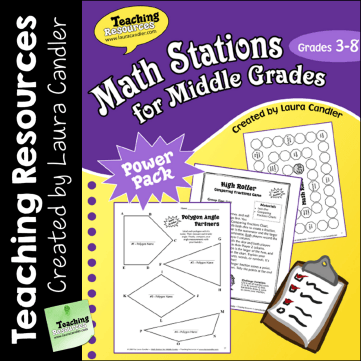 |
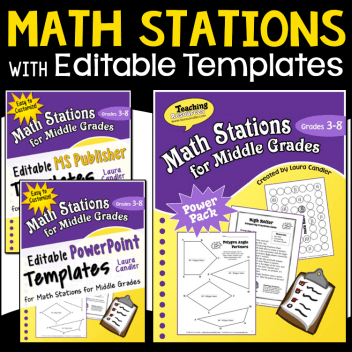 |
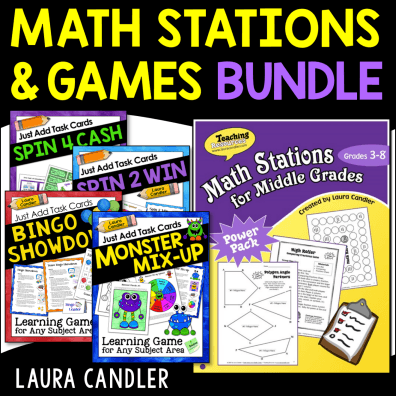 |
Students can complete independent work, partner activities, or group work in stations. You can find many activities in the Math File Cabinet that work great for stations if you add directions. Math Stations for Middle Grades has dozens of activity ideas and math games to use in stations, and each activity includes student-friendly directions. Take a look at some of the Math Station Freebies at the top of this page for ideas. When selecting an activity, ask yourself:
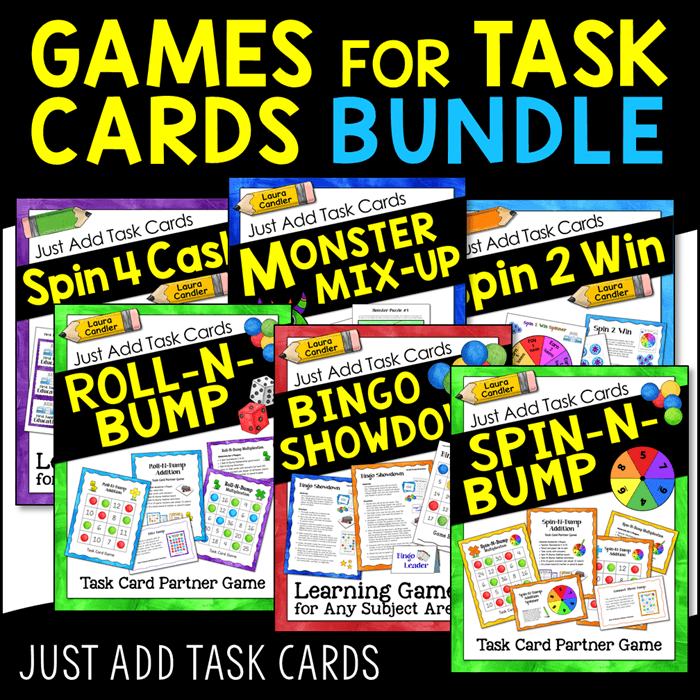
Task cards are perfect to use in math stations because they can easily turn any generic game into a skill-specific game. For example, the simple board game Math Race in Math Stations for Middle Grades can be adapted to any content area by adding the appropriate task cards.
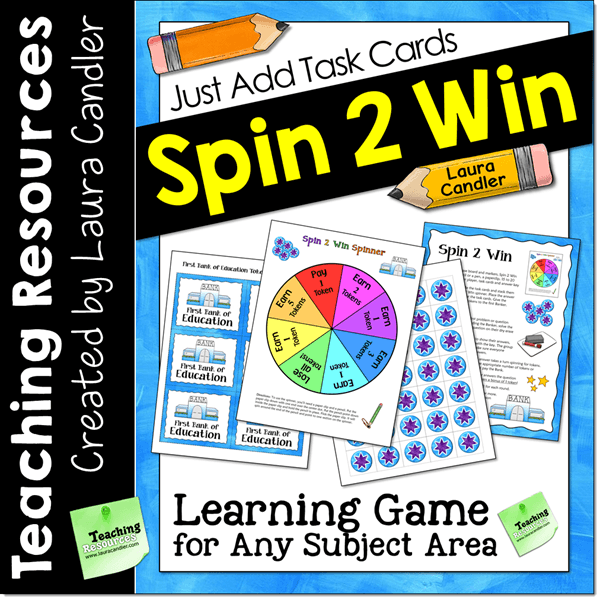
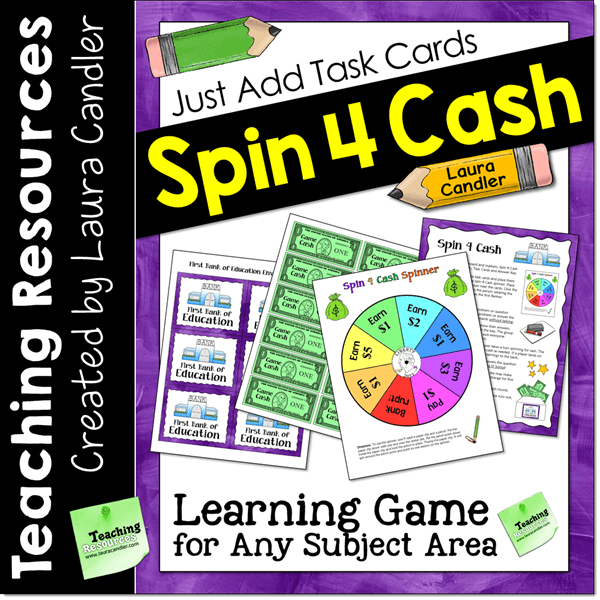
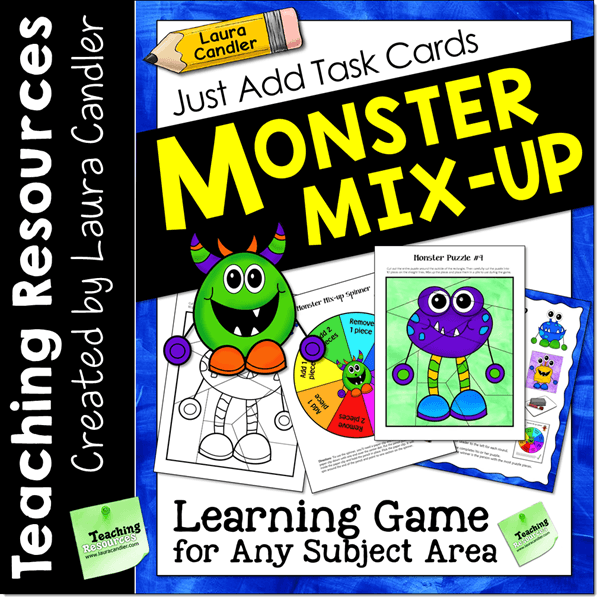
I’ve recently started creating additional task card games that are great for math centers or cooperative learning practice. You can find them by clicking the Task Cards Games link in my TpT store or by visiting this Task Card Resources Pinterest board.
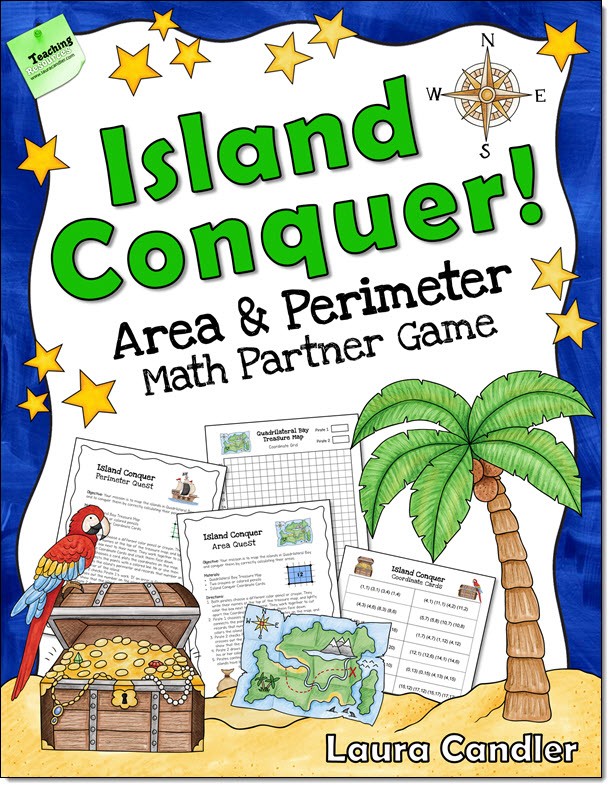
*Just add task cards to any of these games for an instant math station!
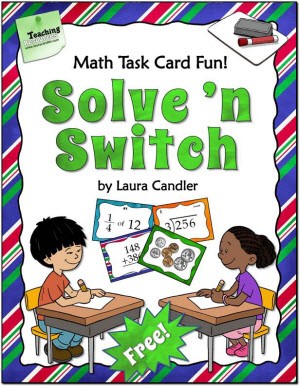
I also created a free cooperative learning activity that’s perfect for math centers called Solve ‘n Switch. In a nutshell, students seated in pairs each take a task card, solve the problem, switch task cards, solve the new problem, and then check answers. This free packet includes complete directions and several recording pages.
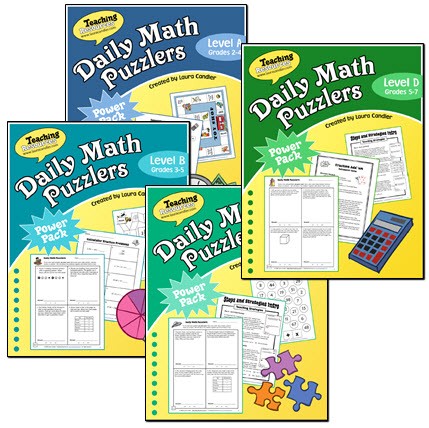
It’s always tricky to figure out how to involve students in problem solving on a regular basis. However, math stations provide an easy way to fit in daily problem solving. They also allow you to differentiate instruction by using different levels of of problems. The Daily Math Puzzlers are a set of leveled problem-solving ebooks that offer a mixed problems which required students to demonstrate their work.
Catherine Douthard of Fayetteville, Georgia, alerted me to this idea in a recent email:
“Thank you for the excellent way you created, leveled and organized the Daily Math Puzzlers. It has become the perfect Math Station for my 5th graders to independently work at their own level, track their progress and practice those important problem solving skills.”
Math Stations for Middle Grades
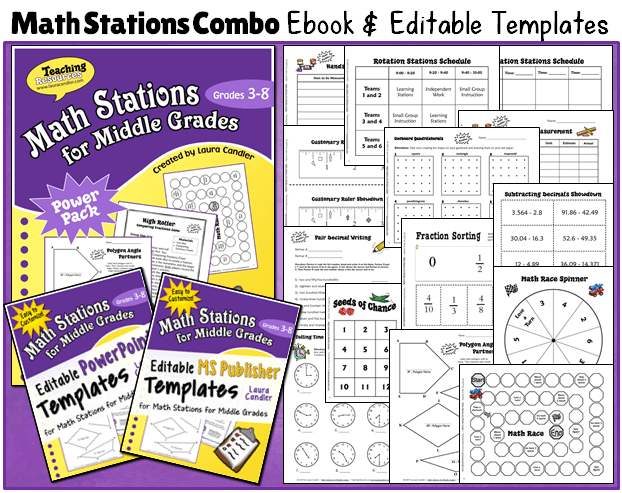
If you haven’t successfully implemented math stations or math centers, Math Stations for Middle Grades is packed with management strategies, math games, and activities to get you started. The term “middle grades” refers to grades 2 or 3 up through middle school. The Math Stations + Editable Templates Combo includes templates in PowerPoint and Publisher format that you can use to create your own math problem task cards if the ones in the book are not appropriate for your grade level. In addition, I’ve created a number of math center games that are perfect for centers. They include directions, game cards, and answer keys.
Would you like an easy introduction to math stations? Watch the recording of the Motivating Math Stations webinar to learn loads of specific strategies, management techniques, and games to use in centers. This was a live webinar, and you can view the full webinar recording for free or purchase a “webinar pack” that includes an Mp4 video of the webinar plus additional helpful materials.
Free Webinar – Full Math Stations Recording – Must be viewed online and requires an automatic download of a Java application. This webinar includes all introductory part of the webinar and the full presentation, but it does not come with the handouts that are mentioned in the webinar. Note: To jump into the main portion of the webinar, move the slider over to the time 11:30 which will eliminate the introductions. Click the image below and then download the Java application to watch it.
If you have trouble viewing the webinar in the format above, you can purchase the Math Stations Webinar Pack. This is the same webinar as above but it includes an Mp4 video for viewing on mobile devices, an Mp3 audio track for listening only, the handouts referenced in the session, the chat transcript, and printable presentation slides.
 |
 |
 |
 |